Since 2020, V-ZUG has been pursuing clearly defined emissions reduction targets across the entire value chain. By 2030, greenhouse gas emissions in Scopes 1 and 2 are to be reduced by 80 per cent compared with 2020, and Scope 3 emissions by 30 per cent. These targets comply with the requirements of the Science Based Targets initiative (SBTi).
To achieve these targets, V-ZUG is implementing measures across the entire value chain to expand the use of renewable energy, improve energy efficiency and promote the circular economy – from procurement and production, through the operation of our sites, to the development and use of our products. We report transparently each year on our progress, the measures implemented and the emissions reductions achieved.
A key tool for implementing our climate strategy is the internal, voluntary CO₂ fund. For the remaining emissions from Scope 1 and 2, as well as from air travel in Scope 3, V-ZUG charges itself internally at a rate of CHF 120 per tonne of CO₂. The funds are channelled in full, in a way that provides effective incentives, into climate protection measures.
Around CHF 80 per tonne of CO₂ is allocated annually to projects that prevent or reduce emissions. In particular, we use this to fund measures with environmental benefits whose economic implementation remains challenging at present.
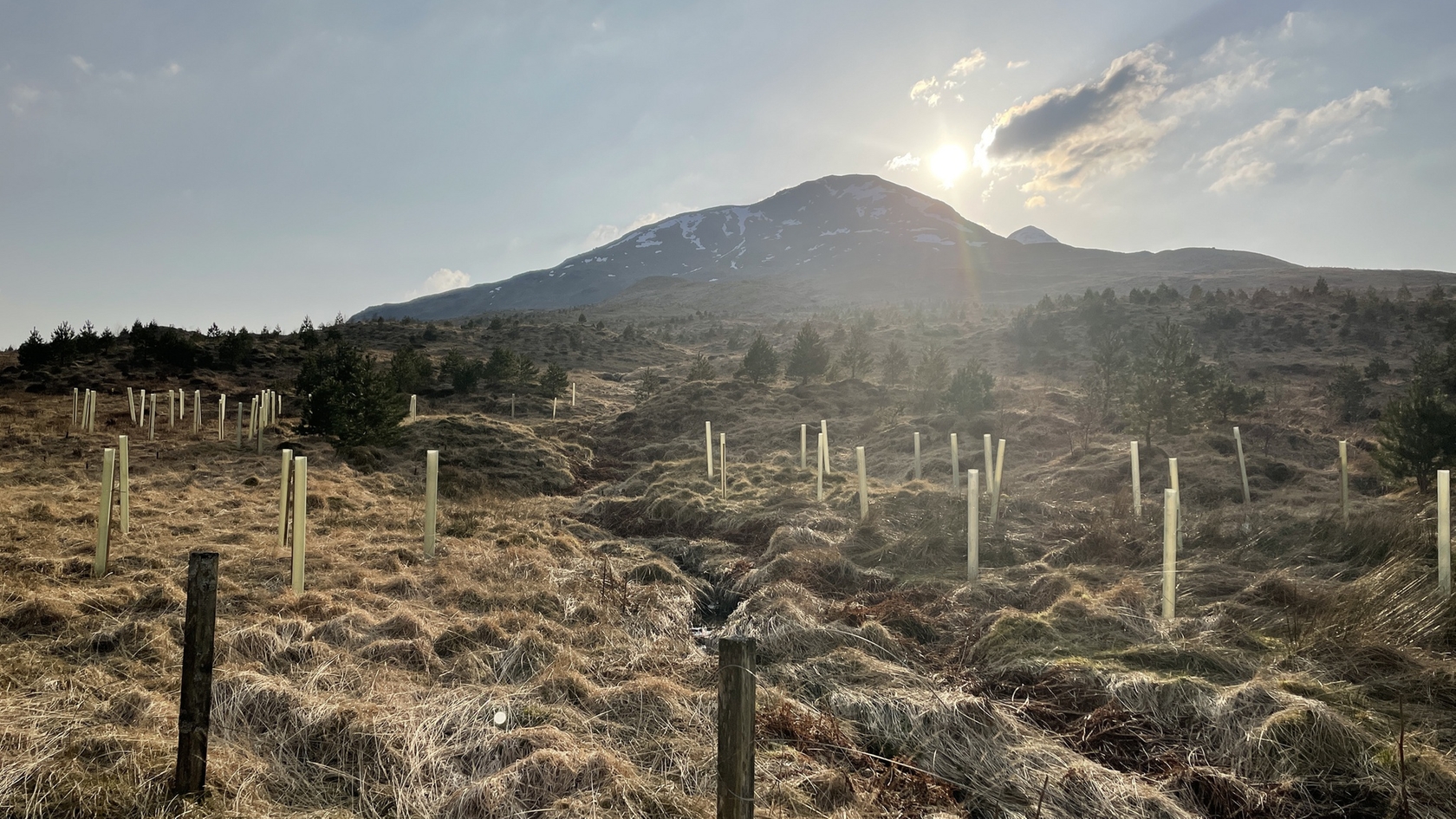
We invest a further 40 CHF per tonne of CO₂ annually in the V-Forest climate protection project, which we have implemented in partnership with the charitable foundation Ripa Gar. The project promotes the reforestation of near-natural forests and biodiversity in Scotland.
The annual contributions to the CO₂ fund and to V-Forest are based on the volume of remaining emissions from Scope 1 and 2, as well as air travel under Scope 3. As we continue to implement our reduction measures, these emissions are falling steadily and, consequently, the required contributions will also decrease in the long term. The investments in V-Forest are made in addition to our existing measures. They serve to promote climate protection and biodiversity and contribute to the restoration of near-natural habitats.